
NYC Subway Accident Lawyer
SPEAK DIRECTLY WITH MR. RUBIN
For a FREE consultation, talk directly to Michael Rubin by calling 212-691-9404 or contacting him through the website.
What is a NYC Subway Accident?
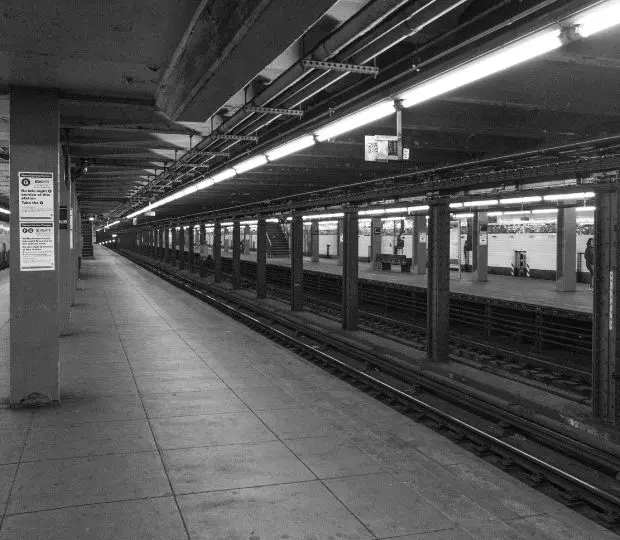
A NYC Subway Accident encompasses a broad range of incidents that occur within the confines of New York City’s extensive subway system. These mass transit accidents can potentially cause injury or harm to passengers, subway employees, and, in some cases, bystanders near subway operations. Given the subway’s role as a critical artery in the city’s transportation network, understanding the various types of subway accidents is crucial for both riders and legal professionals.
Types of Subway Accidents
Subway accidents in New York City can vary widely in nature and severity. Each type of accident presents unique challenges and may require different legal strategies to address. Here are some common types of subway accidents that could necessitate the experience of an NYC subway accident lawyer:
1. Slip, Trip, and Fall Accidents
These are among the most common types of accidents in subway stations and on subway cars. They can occur due to wet or slippery floors, uneven platform edges, poorly maintained staircases, or obstacles on the ground. Such accidents can lead to severe injuries, including fractures, head injuries, and spinal cord injuries.
2. Door Accidents
Passengers can suffer injuries if subway car doors close prematurely or malfunction. These accidents can result in crushing injuries, amputations, or severe bruising.
3. Train Collisions
Though less frequent, collisions between subway trains can have catastrophic consequences, causing significant injuries to passengers and potentially leading to fatalities. Causes may include signal failures, operator error, or equipment malfunction.
4. Derailments
A derailment occurs when a train comes off its tracks. These incidents can be particularly dangerous, leading to severe injuries or death. Derailments may be caused by track defects, operational errors, or faulty equipment.
5. Electrocutions
Contact with electrified rails (the third rail), overhead wires, or other electrical equipment can result in electrocution accidents, posing a risk of severe burns, cardiac arrest, and other life-threatening injuries.
6. Assaults and Robberies
Passengers may become victims of assaults, robberies, or other criminal activities while using the subway. Lack of adequate security measures or poor lighting can contribute to these incidents.
7. Falls onto the Tracks
Falls onto the subway tracks can occur for various reasons, including being pushed, slipping, or losing balance. These accidents are extremely hazardous and can lead to being struck by an oncoming train or electrocution from the third rail.
8. Sudden Stops and Jolts
Sudden stops or jolts of a subway train can cause passengers to fall or be thrown against the interior of the train, leading to injuries. These incidents may result from operator error or mechanical issues.
9. Exposure to Hazardous Materials
Subway systems may sometimes become sites of hazardous material spills or leaks, including chemical, biological, or radiological substances, posing serious health risks to passengers.
How a NYC Subway Accident Lawyer Can Help You
Our personal injury lawyers provide assistance to individuals affected by subway accidents in New York City. Our experienced NYC subway accident lawyers understand these cases’ unique challenges and complexities and are dedicated to guiding you through every step of the legal process. Here’s how we can help:
In-Depth Case Evaluation
We start by conducting a comprehensive evaluation of your case. Our team examines all aspects of the subway accident, including the circumstances, potential causes, and the extent of your injuries. This thorough analysis is crucial in building a strong foundation for your claim.
Investigating and Gathering Evidence
Our NYC mass transit accident lawyers and investigative team work meticulously to gather evidence. This includes obtaining surveillance footage, reviewing MTA records, interviewing witnesses, and consulting with industry experts. We aim to uncover the facts necessary to establish liability and the accident’s full impact on your life.
Navigating Complex Legal Procedures
Subway accident claims in New York involve navigating complicated legal and regulatory frameworks, especially when dealing with public transportation authorities like the MTA. Our personal injury attorneys are well-versed in these procedures, ensuring that your claim complies with all legal requirements, including stringent filing deadlines.
Dealing with Insurance Companies and MTA Representatives
We handle all communications and negotiations with insurance companies and MTA representatives on your behalf. We aim to ensure that you are not pressured into accepting a settlement that undervalues your claim, and we work tirelessly to secure the maximum compensation you deserve.
Maximizing Your Compensation
Our attorneys are skilled at accurately assessing the full extent of your damages, including medical expenses, lost wages, pain and suffering, and other relevant costs. We fight to ensure that you receive comprehensive compensation that reflects the true impact of the accident on your physical, emotional, and financial well-being.
Providing Personalized Legal Support
Our subway accident attorneys understand that each case and client is unique. Our team offers personalized attention, keeping you informed throughout the process and addressing your questions and concerns. We are committed to making the legal process as smooth and stress-free as possible for you.
Representing You in Court
While many cases are settled out of court, we are fully prepared to take your case to trial if necessary. Our skilled litigators have a strong track record of success in court, and we are committed to advocating vigorously on your behalf.
No Upfront Costs
We work on a contingency fee basis, meaning our fees are contingent upon the successful resolution of your case. You will not incur any upfront costs; we only get paid if we recover your compensation.
Common Injuries From a Subway Accident
Subway accidents in New York City, ranging from collisions to slip and fall incidents, can result in a variety of injuries. These injuries can vary in severity, affecting passengers, subway employees, and sometimes pedestrians. Common injuries from subway accidents include:
Physical Trauma
- Broken Bones: The impact of collisions or falls can lead to fractures, particularly in the arms, legs, and ribs.
- Head Injuries: This includes concussions and more severe traumatic brain injuries (TBIs), which can occur from falls or being struck by objects.
- Spinal Cord Injuries: Serious accidents may result in damage to the spinal cord, potentially leading to paralysis or other long-term mobility issues.
- Lacerations and Bruises: Sharp edges, broken glass, or blunt force impacts can cause cuts and bruising.
- Soft Tissue Injuries: Such as sprains, strains, and tears, often resulting from slips, trips, or the body being jolted in a collision.
Psychological Impact
- Post-Traumatic Stress Disorder (PTSD): The traumatic experience of a subway accident can lead to long-term psychological effects, including PTSD.
- Anxiety and Depression: Victims may suffer from anxiety and depression, particularly if the accident results in lifestyle changes or chronic pain.
Internal Injuries
- Organ Damage: The force exerted in a collision can cause internal bleeding and damage to organs, which may not be immediately apparent.
- Internal Bleeding: Can occur from blunt trauma and might require immediate medical attention.
Other Injuries
- Electrocution: In rare cases, contact with electrified rails or equipment can result in electrical burns or electrocution.
- Exposure to Hazardous Materials: Incidents involving chemical spills or fires can lead to burns, respiratory issues, or poisoning.
Leading Causes of Subway Accidents
Subway accidents in New York City, while not a daily occurrence, can have serious consequences when they do happen. Understanding the leading causes of these accidents is crucial for both prevention and in addressing liability in the aftermath. Here are some of the most common causes:
Operator Error
- Distraction or Fatigue: Subway operators can make errors due to lack of focus or fatigue, especially given the demanding nature of their job.
- Misjudgment: Errors in speed control, braking, or navigating subway systems can lead to accidents.
Mechanical Failures
- Train Malfunctions: Failures in braking systems, electrical malfunctions, or other mechanical issues with the trains themselves can lead to accidents.
- Infrastructure Issues: Problems with tracks, signals, or subway infrastructure can create hazardous conditions, leading to derailments or collisions.
Poor Maintenance
- Neglected Repairs: Failing to promptly and adequately address wear and tear or known issues can result in accidents.
- Inadequate Inspection Regimes: Insufficient inspection and maintenance routines might overlook potential problems that could cause accidents.
Safety Violations
- Non-compliance with Protocols: Not adhering to established safety protocols and operational guidelines can increase the risk of accidents.
- Inadequate Training: If subway staff, including operators and maintenance crews, are not properly trained, the risk of accidents due to human error can rise.
External Factors
- Acts of Nature: Severe weather conditions like flooding or heavy snow can impact subway operations and lead to accidents.
- Third-Party Interference: Actions by pedestrians, vandals, or other individuals who unlawfully enter tracks or interfere with subway operations can cause disruptions leading to accidents.
Emergency Situations
- Fire and Smoke: Incidents of fire or smoke in subway stations or trains can lead to panic, injuries, and, in severe cases, stampedes.
Overcrowding
Platform and Train Crowding: Overcrowding, particularly during peak hours, increases the risk of falls and other injuries on platforms and inside the train cars.
Understanding these causes is vital for implementing preventive measures and for determining liability in the event of an accident. This knowledge can also be crucial for individuals affected by subway accidents in pursuing legal compensation claims. Our team of experienced subway train accident lawyers is adept at investigating these incidents to uncover the root causes and seek justice for victims.
Who Is Responsible for a Subway Accident?
Determining responsibility in a subway accident in New York City can be complex due to the multiple parties involved in the operation and maintenance of the subway system. Responsibility often depends on the specific circumstances of the accident. Here are some potentially liable parties:
Metropolitan Transportation Authority (MTA)
- Operational Negligence: The MTA, which operates the NYC subway system, can be held liable for accidents resulting from operational errors, such as mistakes by train operators or failures in communication.
- Maintenance Issues: The MTA also maintains trains, tracks, and stations. Accidents caused by poor maintenance, such as derailments due to faulty tracks, can lead to liability for the MTA.
Subway Employees
- Human Error: Employees, including train operators, maintenance workers, or other subway staff, can be liable if their negligence or error contributed to an accident.
City or State Government
- Infrastructure Management: In cases where the infrastructure managed by the city or state government, such as subway tunnels or electrical systems, is found to be at fault, these entities might bear responsibility.
Manufacturers and Contractors
- Defective Products: Manufacturers of subway trains, parts, or safety equipment can be held liable if product defects lead to accidents.
- Contractor Negligence: Contractors hired for maintenance, repairs, or upgrades can be responsible if their work is substandard or negligent.
Other Passengers or Third Parties
- Intentional Acts or Negligence: Actions by other passengers or individuals, such as pushing, shoving, or obstructing doors, can contribute to accidents, making them potentially liable.
Legal Considerations
- Comparative Negligence: Under New York law, liability can be shared among multiple parties, including, in some cases, the victim, depending on their role in the accident.
- Complex Legal Landscape: Given the involvement of public entities like the MTA, special legal considerations and limitations apply, including specific filing deadlines and immunity clauses.
Choose an Experienced Subway Accident Lawyer
Given the complexities of subway accident cases, picking an experienced injury lawyer for your personal injury claim is crucial. An experienced subway accident lawyer can help navigate the legal intricacies, investigate the accident thoroughly, and ensure that all liable parties are held accountable. Our law firm has experience in subway accident cases and is dedicated to helping victims understand their rights and pursue the compensation they deserve. Contact us today.
SPEAK DIRECTLY WITH MR. RUBIN
For a FREE consultation, talk directly to Michael Rubin by calling 212-691-9404 or contacting him through the website.
NYC Subway Accident FAQs
What should I do immediately following a subway accident in NYC?
Ensure your safety first, and then check on others around you. Report the accident to the subway authorities and seek medical attention, even for minor injuries. Document the scene with photos and gather contact information from witnesses. Lastly, consult a NYC Subway Accident Lawyer to discuss your legal options.
Can I file a lawsuit after a subway accident in NYC?
Yes, if your injury was due to negligence by the MTA, a subway operator, or another entity, you may have grounds for a lawsuit. An experienced lawyer can help determine liability and whether you have a viable claim.
Who can be held liable for a subway accident in NYC?
Potentially liable parties include the Metropolitan Transportation Authority (MTA), subway operators, maintenance contractors, equipment manufacturers, or other negligent parties. Liability depends on the specifics of the accident.
What types of compensation can I receive for injuries sustained in a subway accident?
You may be eligible for compensation covering medical expenses, lost wages, pain and suffering, and other related costs. The exact compensation depends on the severity of your injuries and the circumstances of the accident.
Is there a time limit for filing a subway accident claim in NYC?
Yes, there are statutory deadlines for filing personal injury claims in New York. Additionally, claims against the MTA or other public entities have specific time constraints. It’s important to consult a lawyer promptly to ensure you meet these deadlines.
How does a NYC Subway Accident Lawyer help in my case?
A lawyer will handle all aspects of your claim, including investigating the accident, determining liability, negotiating with insurance companies, and representing you in court if necessary. Hiring us could increase your chances of receiving fair compensation.
What if I am partially at fault for the subway accident?
New York follows a comparative negligence rule, meaning you can still recover damages even if you are partly at fault. However, your compensation may be reduced by your percentage of fault.
How much does it cost to hire a Subway Accident Lawyer in NYC?
Most Subway Accident Lawyers work on a contingency fee basis, meaning you won’t pay any upfront fees. You only pay legal fees if and when you receive compensation for your claim.
Our Practice Areas
Meet Michael Rubin
